
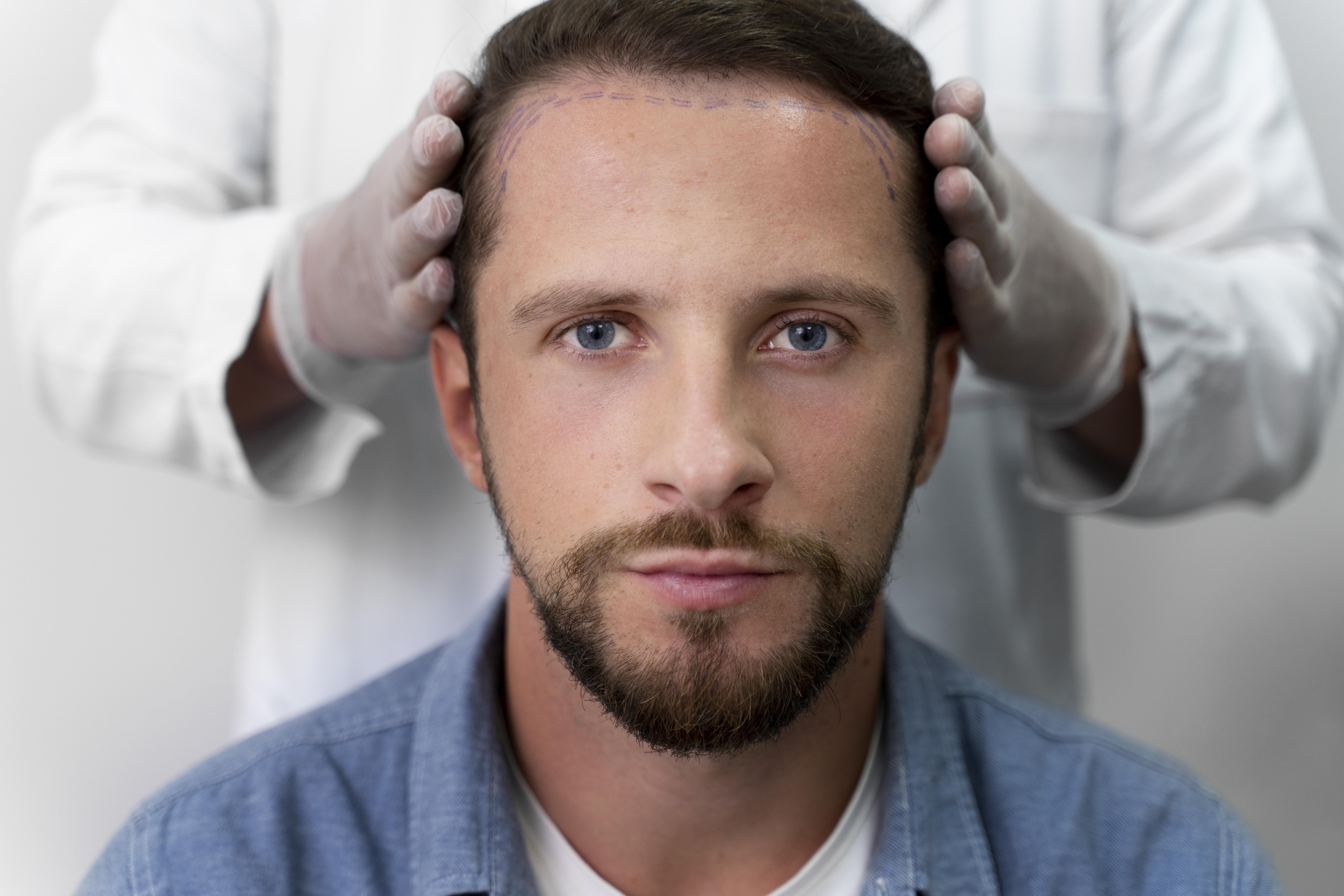

A successful hair transplant begins well before the procedure itself. Proper hair transplant preparation can improve graft survival, reduce complications, and help ensure optimal results. This guide walks you through key tips and a practical checklist for getting ready – physically, mentally, and logistically – for your hair restoration journey.
Why Hair Transplant Preparation Matters
Hair transplant surgery is a delicate procedure that requires careful planning. According to a clinical review published in the Annales de Chirurgie Plastique Esthétique, pre-operative instructions such as ceasing certain medications and avoiding smoking can significantly impact the overall success rate and healing timeline (Pluvy, 2014). Beyond the surgical skill, your actions in the days leading up to the operation play a critical role in graft survival and infection prevention.
1. Consultation and Planning
Your journey starts with a comprehensive consultation at a reputable clinic. During this session, the surgeon evaluates your donor area and overall hair loss pattern. You’ll also discuss your medical history, medications, and expectations with your doctor. In most clinics, pre-op photos may be taken for documentation and planning.
Make sure to ask to see before-and-after photos of other patients and inquire about the surgeon’s qualifications. The International Society of Hair Restoration Surgery (ISHRS) recommends that patients only proceed with board-certified surgeons trained specifically in hair restoration.
2. Medications and Supplements: What to Stop and What to Continue
Certain medications and supplements can increase bleeding risk or interfere with healing. You may be advised to:
- Stop aspirin, ibuprofen, or other blood thinners at least 7–10 days before surgery.
- Pause supplements like vitamin E, ginkgo biloba, and omega-3s, as they can prolong bleeding.
- Continue prescribed medications, but always check with your surgeon.
A study in the Journal of Clinical Medicine Research emphasized the importance of controlling comorbidities such as hypertension and diabetes prior to surgery to reduce surgical risk and improve outcomes (Amirah, 2024)
3. Stop Smoking and Alcohol
Both nicotine and alcohol impair blood circulation and wound healing. A report in Plastic and Reconstructive Surgery found that smoking increases the risk of post-operative complications, including skin necrosis and poor graft uptake.
Ideally, you should stop smoking at least two weeks before and after the procedure. It is also recommended to avoid alcohol for at least 72 hours pre-op and 1 week post-op.
4. Preparing Your Scalp
A healthy scalp promotes better graft adherence and healing. Your clinic may recommend:
- Scalp massages to increase blood flow (10–15 minutes daily for 2 weeks before surgery).
- Stopping minoxidil (Rogaine or similar) 3–5 days prior to surgery to minimize bleeding, unless advised otherwise.
- Using prescribed shampoos to keep the scalp clean and free of build-up.
5. Practical Tips for the Night Before Surgery
- Wash your hair thoroughly with a mild shampoo.
- Get a full night’s sleep – fatigue can make the experience more stressful.
- Avoid eating spicy or greasy food that might cause indigestion.
You may be asked to fast for a few hours before surgery, especially if sedation will be used. Always confirm the instructions with your clinic.
6. What to Wear on the Day
Wear a front-buttoned or zip-up shirt instead of one that needs to be pulled over your head. This avoids accidentally dislodging grafts when dressing post-op. Choose something comfortable, as the procedure can take several hours.
7. The Hair Transplant Preparation Checklist
Here’s a summary to ensure you’re fully ready:
✅ Attend your pre-surgery consultation
✅ Disclose all medications and health conditions
✅ Stop blood-thinning drugs and supplements
✅ Quit smoking and alcohol
✅ Perform daily scalp massages (if advised)
✅ Stop minoxidil a few days before surgery
✅ Wash hair the night before
✅ Pack a button-up shirt and neck pillow for surgery day
✅ Arrange for transportation (you may not be able to drive yourself home)
8. Preparing Mentally
Even though hair transplant is a low-risk outpatient procedure, mental preparation is still key. Understanding the timeline for results – including the normal post-op shedding phase – can help reduce anxiety and set realistic expectations. Hair typically begins to grow around 3–4 months post-surgery and may take up to a year to reach full density.
Conclusion
Taking time to prepare for your hair transplant is one of the most effective ways to boost your chances of a successful and satisfying outcome. By following medical advice and being proactive about your health and lifestyle, you’ll set the stage for strong graft survival and natural hair regrowth.
If you’re unsure whether you’re ready for a transplant or need help choosing a clinic, Clinic Buddies is here to guide you every step of the way.


Leave a Reply