
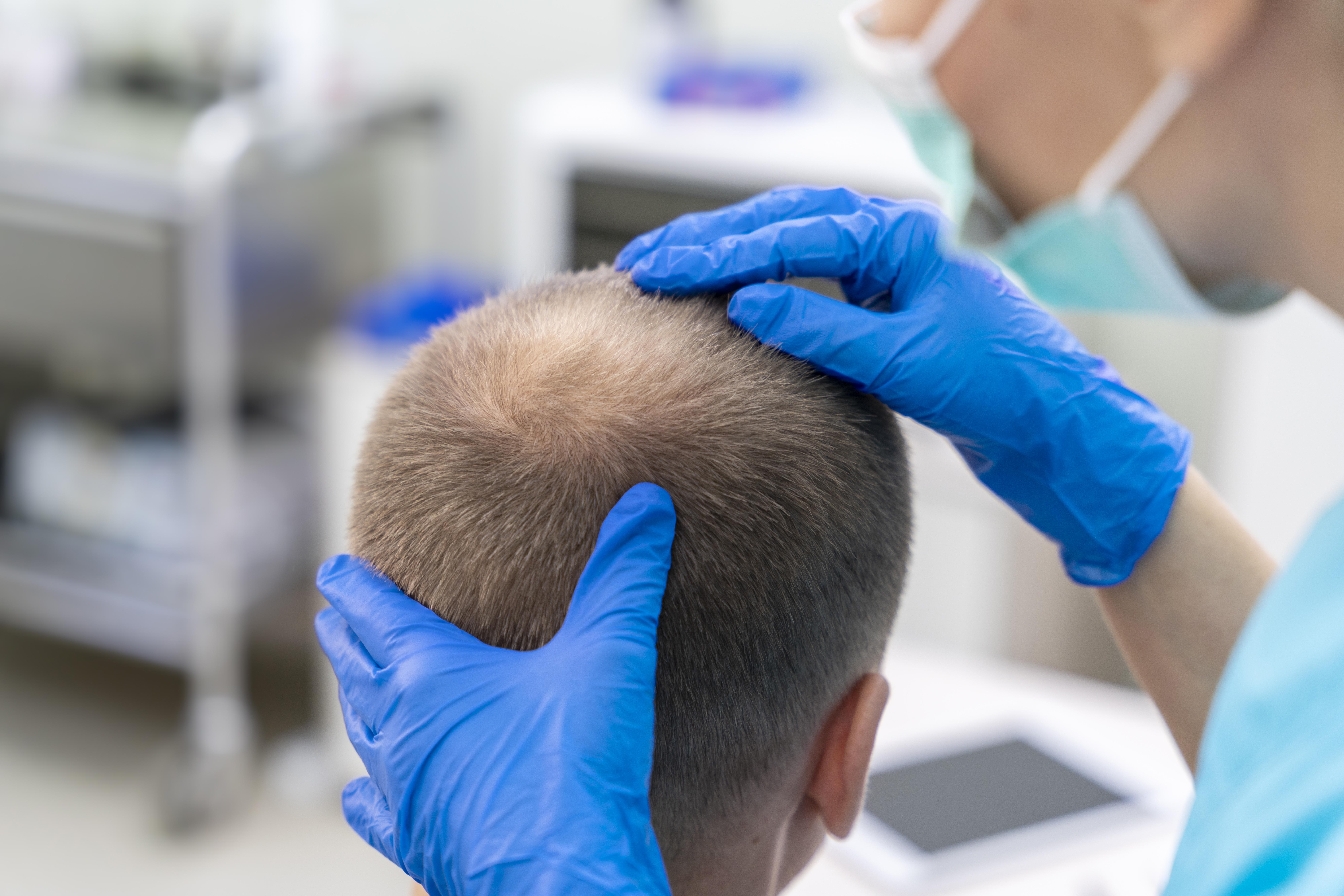

What Is FUT Hair Transplant?
Follicular Unit Transplantation (FUT), also known as the strip method, is a surgical technique used to combat hair loss. It involves removing a narrow strip of scalp from the donor area, usually at the back of the head, then dissecting it into individual follicular units which are implanted in thinning or bald areas.
This technique is especially beneficial for patients who need a high number of grafts in a single session, and it’s known for producing dense, natural-looking results.
How Does FUT Work? Step-by-Step
- Preparation & Local Anesthesia
The donor area is shaved and numbed using local anesthesia. - Strip Removal
A small strip of scalp is surgically extracted from the back of the head. - Follicular Unit Dissection
The strip is dissected into grafts using microscopes to protect follicles. - Implantation
Tiny incisions are made in the recipient area, and grafts are strategically placed. - Stitching
The donor area is sutured and typically heals within 10–14 days.

Advantages of FUT Hair Transplant
- Higher Graft Yield
FUT is ideal for patients who need large volumes of grafts. - Graft Protection
Follicles are handled under microscopes to minimize damage. - Cost-Effective
Generally less expensive than FUE due to quicker extraction process.
Disadvantages and Risks of FUT
- Linear Scar
A permanent scar may remain in the donor area (though often concealed by hair). - Longer Recovery
Compared to FUE, the healing period may be slightly extended. - Post-Surgical Discomfort
Tightness and numbness are common in the first few days.
Cost Comparison: FUT in Turkey vs Western Countries
- USA / UK / Western Europe: $6,000 – $15,000 per session
- Turkey: $1,500 – $4,000 per session
Turkey continues to lead the medical tourism market, offering world-class clinics at significantly lower prices, without compromising on quality.
Recovery Timeline
- Week 1: Mild swelling, tightness, and suture removal (day 10–14)
- Months 1–3: Shedding phase begins (normal part of the cycle)
- Months 4–6: New hair starts to grow
- Months 9–12: Full results appear with improved volume and density
What Makes a FUT Hair Transplant Successful?
To maximize your results, both patients and clinics should prioritize:
- Surgeon Experience
FUT requires precise surgical technique—look for an experienced practitioner. - Clinic Quality
Proper sterilization, certified teams, and post-op support are vital. - Natural Hairline Design
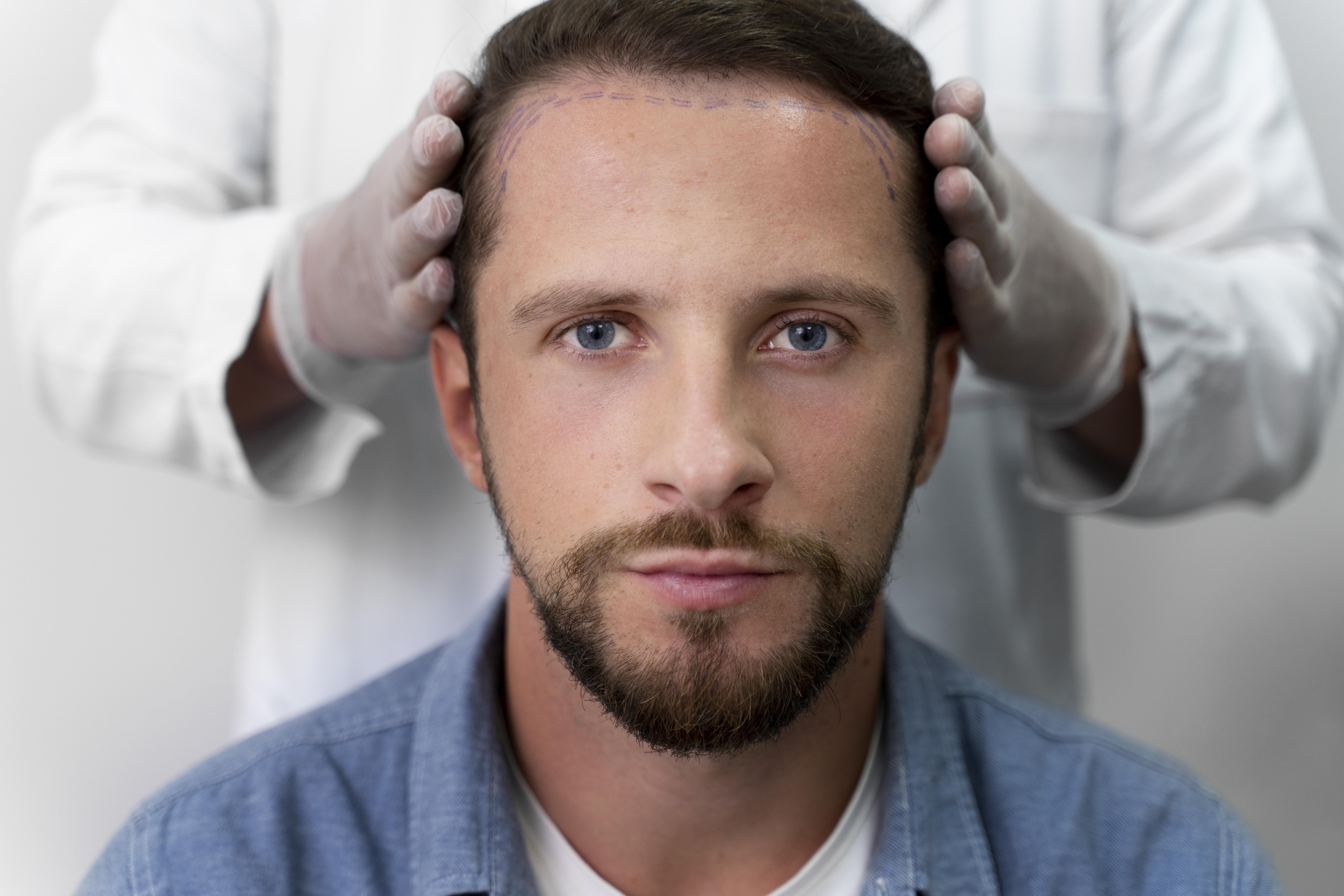
Proper planning of the hairline ensures natural aesthetics. - Graft Preservation
Microscopic handling prevents damage and improves graft survival. - Comprehensive Aftercare
Post-op instructions and monitoring can significantly improve results.
Is FUT Right for You?
You might be a good candidate for FUT if:
- You require a high number of grafts.
- You’re okay with a small scar on the donor area.
- You’re looking for a cost-efficient solution with long-lasting results.
Final Thoughts
Though FUE has gained popularity in recent years, FUT remains a highly effective and trusted technique—especially for patients dealing with significant hair loss. It offers maximum graft volume, affordability, and excellent long-term outcomes.
Ready to explore your options? At Clinic Buddies, we help you compare FUT clinics based on price, quality, and patient feedback, so you can make a confident, informed decision. Fill in our contact form and start planning your treatment.


Leave a Reply