

Rhinoplasty, commonly known as a “nose job,” is one of the most sought-after cosmetic surgeries worldwide. According to the International Society of Aesthetic Plastic Surgery (ISAPS), around 50,000 rhinoplasty procedures are performed annually, making it a top facial cosmetic surgery globally. The two primary surgical approaches are open and closed rhinoplasty, each with distinct techniques, benefits, and considerations. As Clinic Buddies we’d like to help you compare these two approaches in a transparent comparison of open vs closed rhinoplasty.
Surgical Techniques

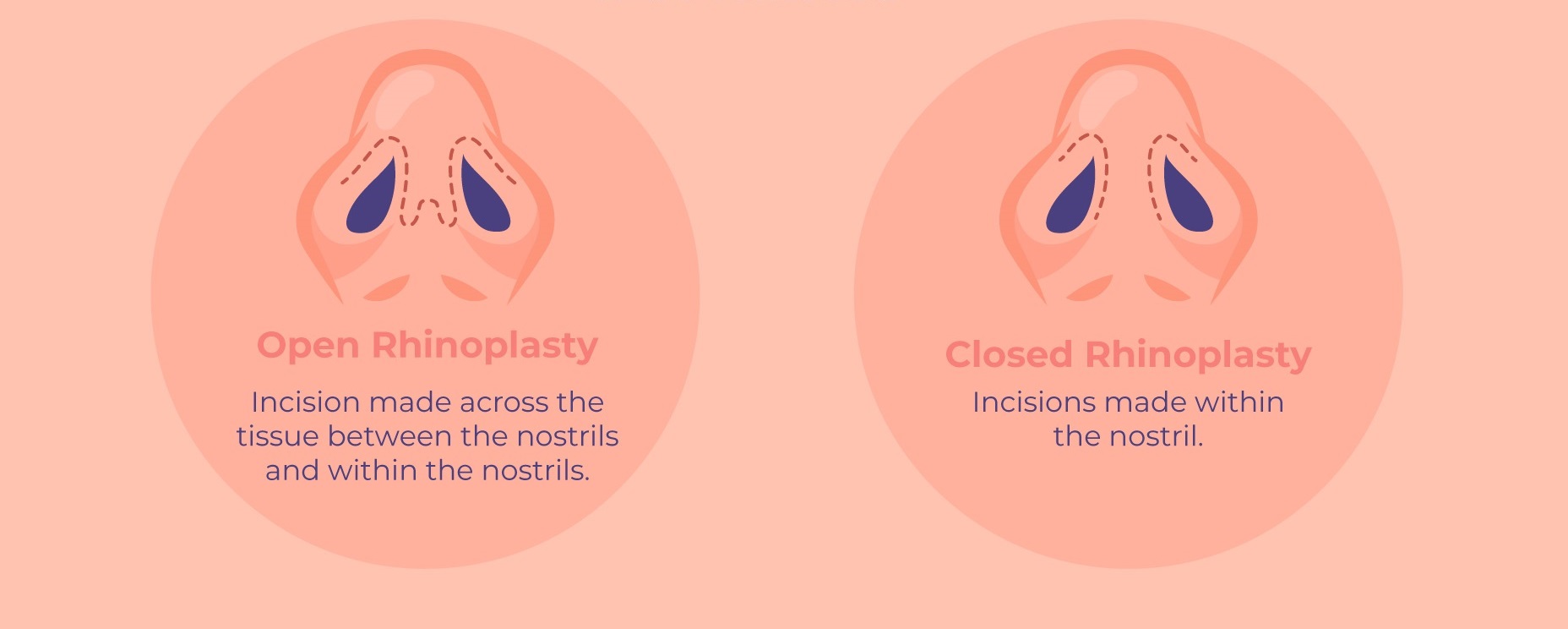
Open Rhinoplasty: This approach involves a small external incision on the columella (the tissue between the nostrils), allowing the surgeon to lift the nasal skin and gain direct visibility of the underlying structures. This enhanced exposure facilitates precise modifications, especially in complex cases or revisions. However, it may result in a small, often imperceptible, scar and typically involves a longer recovery period due to increased swelling.
Closed Rhinoplasty: Also known as endonasal rhinoplasty, this technique involves incisions made entirely within the nostrils, eliminating visible scarring. It’s generally suited for patients requiring minor adjustments and offers a shorter recovery time with less postoperative swelling. However, the limited visibility can make intricate modifications more challenging.
Risks and Benefits of Open vs Closed Rhinoplasty
| Type | Risks | Benefits |
|---|---|---|
| Open Rhinoplasty | Risks: Potential for visible scarring (though minimal), longer operative time, and increased postoperative swelling and bruising. | Benefits: Enhanced visibility for the surgeon, allowing for precise alterations; ideal for complex structural changes and revision surgeries. |
| Closed Rhinoplasty | Risks: Limited surgical access may restrict the extent of modifications; not ideal for complex or revision cases. | Benefits: No external scarring, reduced operative time, and quicker recovery with less swelling. |
Ideal Candidates
- Open Rhinoplasty: Best suited for patients requiring significant structural changes, those undergoing revision surgeries, or cases involving complex nasal deformities.
- Closed Rhinoplasty: Ideal for individuals seeking minor aesthetic adjustments without the need for extensive structural alterations.
Recovery Timeline
- Open Rhinoplasty: Due to the more invasive nature, patients can expect a recovery period of approximately 10-14 days for initial healing, with residual swelling potentially lasting several months.
- Closed Rhinoplasty: Recovery is typically faster, with most patients resuming normal activities within a week and experiencing less prolonged swelling.
Cost Differences Between Open vs Closed Rhinoplasty
| Type | Typical Cost Range* (USD) | Reason for Cost Difference |
|---|---|---|
| Open Rhinoplasty | $6,000 – $15,000 | Usually more expensive due to longer surgery time, more complex cases, and the need for detailed structural work. |
| Closed Rhinoplasty | $4,000 – $12,000 | Generally less costly because it’s faster to perform and used for less complex corrections. |
*Note: Costs can vary based on the surgeon’s expertise, facility, and specific patient needs.
Why the Cost Difference?
- Surgical Time: Open rhinoplasty usually takes longer, requiring more operative time and potentially higher facility fees.
- Complexity: Open procedures are typically used for complex or revision cases, which demand greater surgical skill and post-operative care.
- Surgeon Expertise: Surgeons performing open rhinoplasty often specialize in more advanced procedures, which can drive up consultation and surgical fees.
- Anesthesia and Recovery: Longer surgeries may involve higher anesthesia and recovery costs.
However, in many countries like Turkey, Thailand, and Mexico, the price gap between open and closed rhinoplasty is often minimal due to standardized pricing models. In the US, UK, and South Korea, the difference tends to be more pronounced due to custom pricing based on complexity and surgeon reputation.
Conclusion
Choosing between open vs closed rhinoplasty depends on individual goals, the complexity of the desired changes, and the surgeon’s recommendation. Open rhinoplasty offers greater visibility for intricate modifications, making it suitable for complex cases, while closed rhinoplasty is less invasive with a quicker recovery, ideal for minor adjustments. Consulting with a board-certified plastic surgeon is essential to determine the most appropriate approach tailored to your needs.



Leave a Reply