
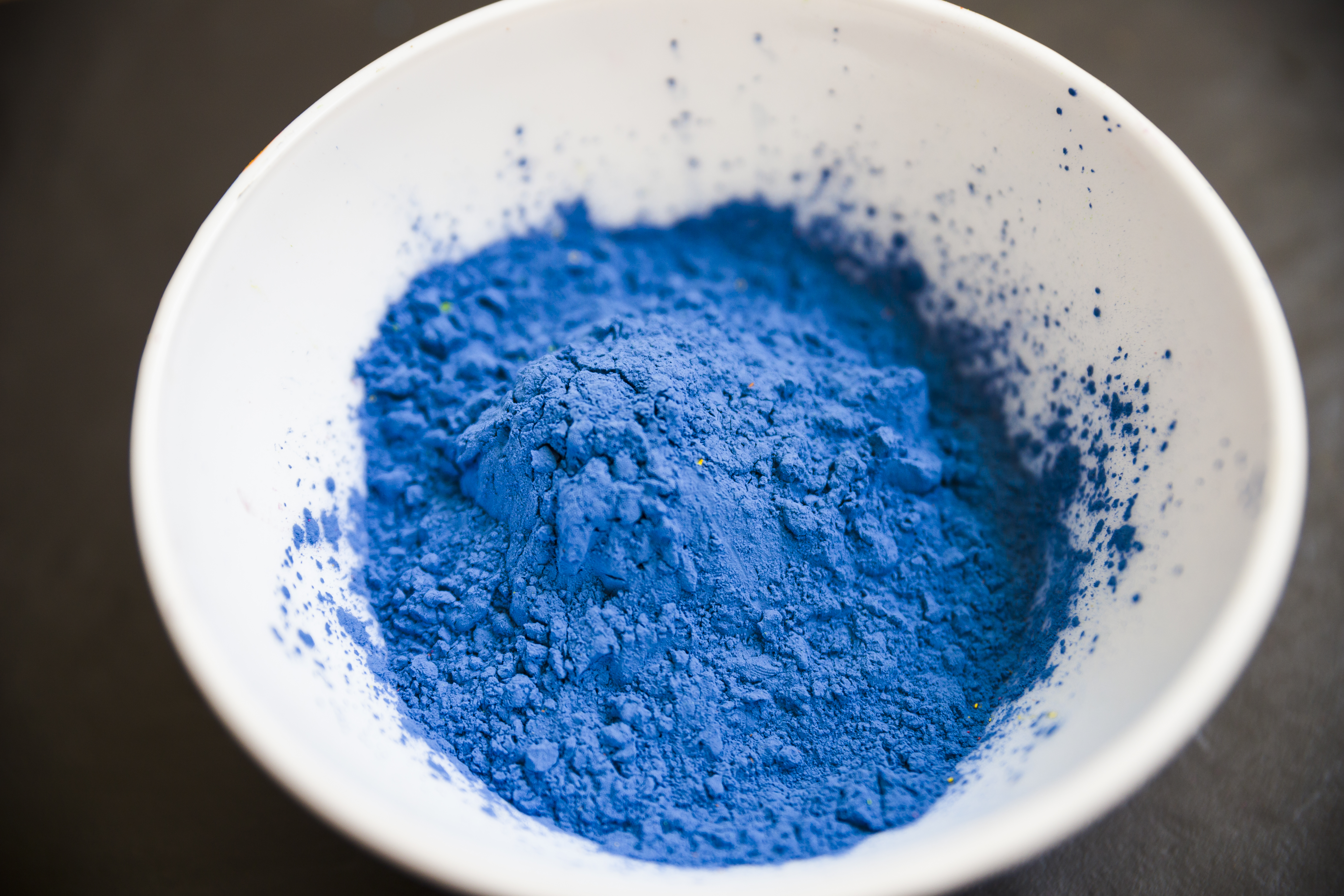

Copper peptides, particularly GHK-Cu (glycyl-L-histidyl-L-lysine-Cu²⁺), are emerging as promising agents in the fight against hair loss. These naturally occurring complexes are being explored for their regenerative effects on skin, scalp, and hair follicles. But how effective are copper peptides for hair growth, and what does current research tell us?
What Are Copper Peptides?
Copper peptides are small protein fragments that bind to copper ions. The most studied form is GHK-Cu, a tripeptide discovered in human plasma, saliva, and urine. Copper peptides play key roles in tissue remodelling, inflammation control, and healing, making them popular in anti-aging skincare – and increasingly in hair care.
Where Are Copper Peptides Found in Nature?
GHK-Cu is a naturally occurring compound in the human body, but its concentration declines significantly with age. In cosmetic and medical applications, it is synthesized in laboratories and added to topical formulas for skin and hair.
How Do Copper Peptides Help with Hair Growth?
Copper peptides support hair health through multiple scientifically supported mechanisms:
- Stimulation of Hair Follicles
Copper peptides help prolong the anagen (growth) phase of the hair cycle and reduce the telogen (resting) phase, encouraging fuller and thicker hair over time. - Angiogenesis and Improved Blood Flow
Studies indicate that GHK-Cu increases blood vessel formation near hair follicles, delivering more nutrients and oxygen that are vital for growth. - Reduction of Inflammation and DHT
Copper peptides have anti-inflammatory properties and may help reduce DHT (dihydrotestosterone) levels, a hormone implicated in androgenetic alopecia (male and female pattern baldness). - Collagen and Elastin Synthesis
These peptides stimulate the production of collagen and elastin, supporting the scalp’s health and maintaining the environment for follicular regeneration.
Scientific Evidence:
- A 2007 study in Archives of Pharmacal Research showed that topical copper peptide applications increased hair growth in 67% of participants compared to 58% for minoxidil.
- Another medical article published in Bioactive Materials (2023) confirmed the role of GHK-Cu in wound healing, skin rejuvenation, and potential hair regrowth due to its regenerative effects.
Forms of Copper Peptide Usage
Copper peptides are primarily applied topically, and available in these forms:
- Serums and Sprays: Directly applied to the scalp for targeted delivery.
- Shampoos and Conditioners: Often used as part of a hair care routine.
- Microneedling-assisted Delivery: Increases peptide absorption by penetrating deeper into the scalp.
Unlike nutrients like biotin or collagen, oral copper peptide supplements are rare and less studied for hair health.
Risks and Side Effects
Copper peptides are generally well tolerated, especially when used topically. However, some considerations include:
- Mild Scalp Irritation: Especially if used with other active agents like minoxidil.
- Product Quality: Poor formulation or excessive copper content could cause skin sensitivity.
- Overuse Risk: Excess copper in the body (though rare from topical use) can cause toxicity – more relevant for oral copper supplements, not peptides.
Who Should Consider Using Copper Peptides for Hair?
Copper peptides may be particularly beneficial for:
- Individuals with early-stage androgenetic alopecia
- Those experiencing age-related thinning
- People with scalp inflammation or poor circulation
- Patients seeking alternatives or complements to minoxidil or finasteride
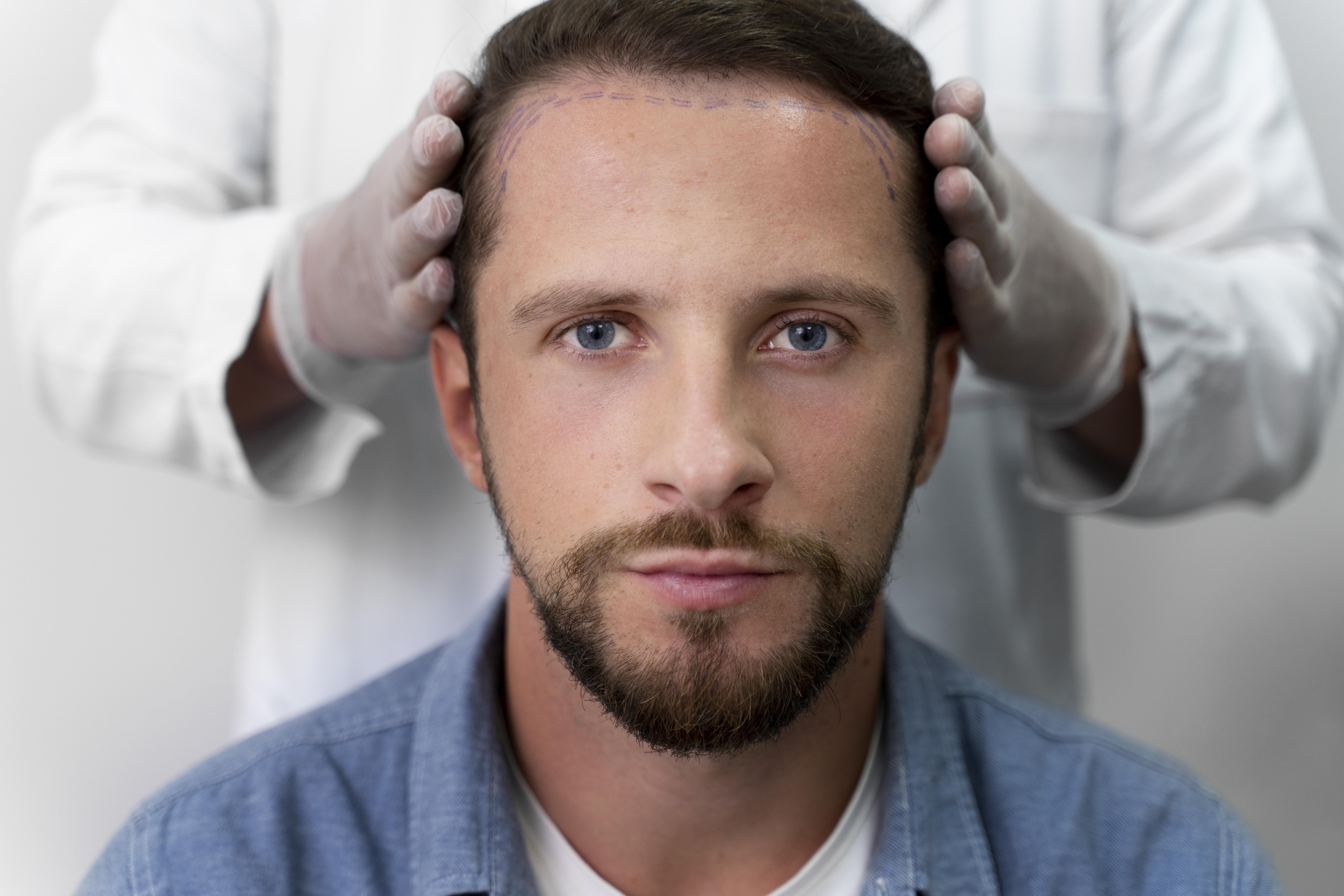
They’re also a popular option for post-hair transplant care to support scalp recovery and new hair growth.
Conclusion
Copper peptides, especially GHK-Cu, are one of the most promising developments in cosmetic dermatology and trichology for promoting hair growth. With scientific evidence backing their ability to stimulate follicles, improve blood flow, and reduce inflammation, they offer a viable non-hormonal option for hair loss prevention and reversal. When used correctly, and in high-quality formulations, copper peptides can be a game-changer in achieving healthier, fuller hair.


Leave a Reply