
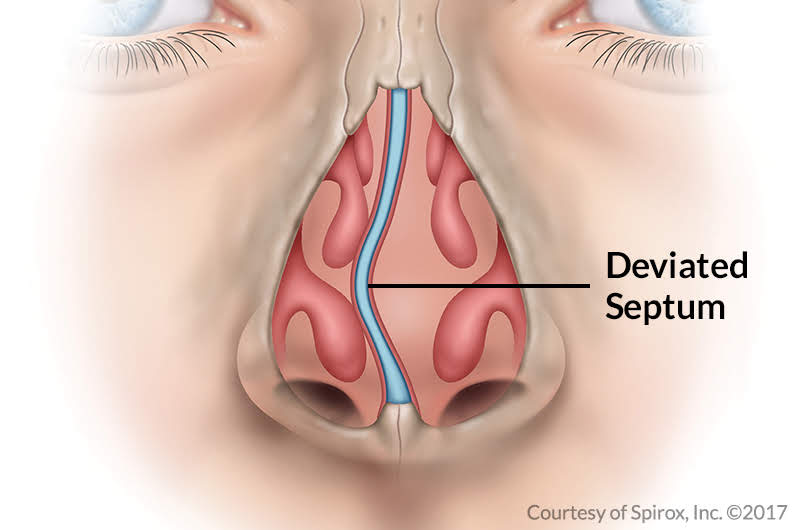

A deviated nasal septum is a common condition that can lead to breathing difficulties, nasal congestion, snoring, and chronic sinus infections. While some people are born with this structural issue, others develop it due to trauma or injury. Many patients wonder whether rhinoplasty – or nose job, typically known as a cosmetic procedure – can also correct a deviated septum. The answer lies in understanding the differences between septoplasty vs septorhinoplasty, two procedures that can address both form and function of the nose. This article explores the scientific and surgical distinctions between these treatments and offers guidance on which may be right for you.
What Is a Deviated Septum?
The nasal septum is the thin wall made of cartilage and bone that separates the two nostrils. In a properly aligned nose, the septum runs straight down the center. However, in up to 80% of people, the septum is at least slightly deviated, though not always symptomatic. When the deviation is significant, it can obstruct airflow and affect breathing quality.
Symptoms of a deviated septum may include:
- Nasal obstruction (especially on one side)
- Difficulty breathing through the nose
- Frequent nosebleeds
- Facial pain or pressure
- Noisy breathing during sleep
If these issues interfere with daily life, surgery may be indicated.
What Is Septoplasty?
Septoplasty is a surgical procedure that straightens and repositions the septum to improve airflow through the nasal passages. It is typically performed under general anesthesia and involves trimming, reshaping, or repositioning the cartilage and bone. The goal is purely functional – to improve breathing – without changing the external appearance of the nose.
A 2023 article published in Cureus found that septoplasty significantly improves nasal airflow and patient-reported quality of life in individuals with obstructive symptoms. It is often covered by health insurance when medically necessary.
What Is Septorhinoplasty?
Septorhinoplasty combines septoplasty with rhinoplasty, the cosmetic reshaping of the nose. This dual approach not only corrects a deviated septum but also addresses external nasal structure – such as a crooked nasal bridge, bulbous tip, or dorsal hump – to improve facial harmony and appearance.
Unlike standalone septoplasty, septorhinoplasty requires more complex surgical planning and a tailored approach to both aesthetics and function. In fact, a 2022 article published in the Journal of Plastic, Reconstructive & Aesthetic Surgeons emphasized the increasing preference for functional-aesthetic surgeries, particularly in patients who experience both airway obstruction and dissatisfaction with nasal shape.
Can Rhinoplasty Alone Fix a Deviated Septum?
Cosmetic rhinoplasty by itself typically does not correct a deviated septum unless it includes internal modifications. However, many modern rhinoplasty procedures incorporate elements of functional nasal surgery, especially in cases where patients complain of both breathing issues and aesthetic concerns. If the surgeon performs a septorhinoplasty, then both internal alignment and external reshaping are addressed in a single operation.
Therefore, if your primary goal is to fix breathing problems due to a deviated septum, septoplasty is the essential component – rhinoplasty becomes relevant when cosmetic enhancement is also desired.
When Should You Choose Septoplasty vs Septorhinoplasty?
You might benefit from septoplasty alone if:
- You have significant nasal obstruction due to a deviated septum.
- You are not concerned with the external appearance of your nose.
- Your insurance covers the procedure for medical reasons.
Septorhinoplasty may be the right choice if:
- You suffer from both functional and cosmetic concerns.
- Your deviated septum is accompanied by a crooked nose or asymmetrical nasal tip.
- You are seeking a single surgery to address both health and appearance.
Research shows that combined procedures can yield high patient satisfaction. A 2019 study in Indian Journal of Otolaryngology and Head & Neck Surgery found that septorhinoplasty improved both Nasal Obstruction Symptom Evaluation (NOSE) scores and ROE (Rhinoplasty Outcomes Evaluation) satisfaction metrics in over 85% of patients.
Septoplasty vs Septorhinoplasty Recovery and Results
Both septoplasty and septorhinoplasty typically involve a recovery period of 1–2 weeks, though external bruising and swelling may persist longer after septorhinoplasty. Most patients report substantial improvement in breathing and appearance (when applicable) after full healing.
Complications are rare but can include infection, bleeding, septal perforation, or unsatisfactory cosmetic results – especially if the surgery is performed by an inexperienced provider.
Conclusion
While rhinoplasty is often associated with cosmetic enhancements, it can also be an effective way to correct a deviated septum – but only when combined with septoplasty in the form of septorhinoplasty. If you’re dealing with both nasal obstruction and dissatisfaction with your nose’s shape, consulting a board-certified facial plastic surgeon or ENT specialist is essential. They can help determine whether a functional, cosmetic, or combined approach will deliver the best long-term results.


Leave a Reply