
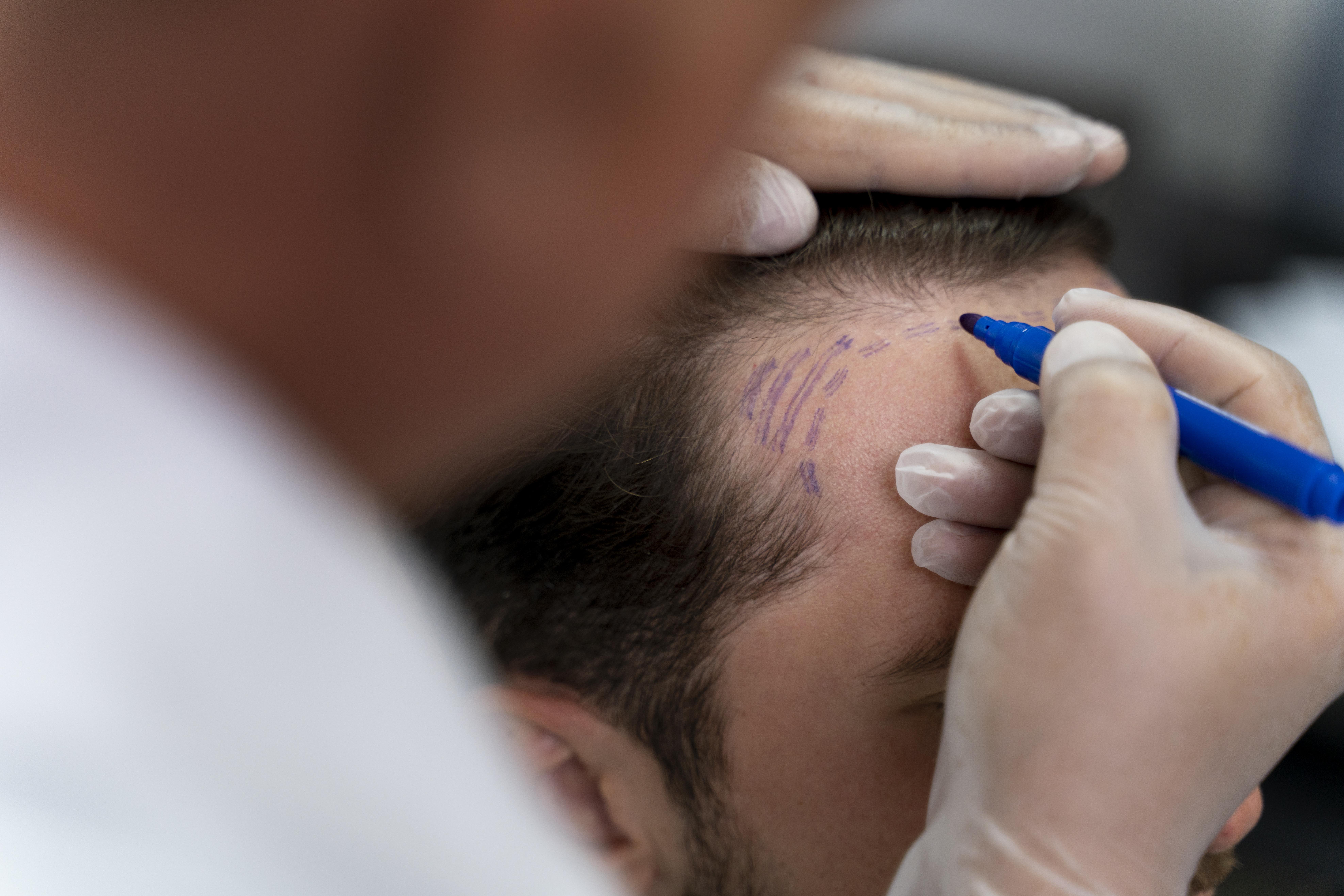

Hair transplantation is one of the most popular solutions for hair loss, especially among individuals experiencing male or female pattern baldness. Whether you’re just starting to research your options or already considering booking a procedure, chances are you have questions – and lots of them. In this article, we answer the hair transplant frequently asked questions, drawing from clinical research and real patient experiences to help you make an informed decision.
1. What Is a Hair Transplant?
A hair transplant is a minimally invasive surgical procedure that involves relocating hair follicles from a dense donor area (usually the back or sides of the scalp) to an area with thinning or no hair. The two main techniques are:
- FUT (Follicular Unit Transplantation): A strip of skin with hair follicles is removed and dissected into grafts.
- FUE (Follicular Unit Extraction): Individual follicular units are extracted directly from the donor area.
Both techniques aim to create a natural-looking hairline and increased hair density. According to a study published in Dermatologic Surgery, both methods show high long-term graft survival rates and patient satisfaction when performed by experienced surgeons.
2. Am I a Good Candidate for a Hair Transplant?
Good candidates for hair transplantation are typically individuals in overall good health who suffer from androgenetic alopecia (commonly known as male or female pattern baldness) and have a sufficient amount of donor hair available, usually on the back or sides of the scalp. The ideal patient also has stable hair loss – meaning their hair loss has plateaued – which reduces the chances of needing a second transplant later on. It’s important to have realistic expectations about the outcomes of surgery. People with diffuse unpatterned alopecia, autoimmune conditions like alopecia areata, or severe scarring on the scalp may not be eligible for the procedure. A thorough consultation with a qualified hair restoration specialist is essential to assess whether your scalp condition, hair characteristics, and expectations align with the likely results of a transplant.
3. Is the Procedure Painful?
Hair transplants are usually performed under local anesthesia, meaning you’ll be awake but won’t feel pain during the procedure. Some patients may feel mild discomfort or tightness in the donor area postoperatively, but this is generally manageable with prescribed medications.
4. What Is the Recovery Timeline?
Recovery is relatively quick. Most people can return to non-strenuous work within 2–5 days. The typical timeline is as follows:
- Day 1–3: Swelling and redness; gentle washing begins.
- Week 1–2: Scabbing resolves; tiny crusts fall off.
- Week 3–4: Transplanted hairs shed (this is normal).
- Month 3–4: New growth begins.
- Month 6–12: Visible hair thickening.
- Month 12–18: Full results achieved.
A study in the International Journal of Trichology confirms that over 90% of patients observe satisfactory hair growth within one year post-transplant.
5. How Natural Will My Hair Look?
When performed by a skilled surgeon, hair transplants can look completely natural. Surgeons consider factors such as hairline shape, angle, direction, and density. Modern FUE and FUT techniques have drastically reduced the “pluggy” look associated with older transplant methods.
6. Will the Results Last Forever?
Yes – transplanted hair follicles are permanent because they are resistant to the hormone (DHT) responsible for pattern baldness. However, you may continue to lose your native hair over time. This is why some patients may need follow-up treatments or use medications like finasteride or minoxidil to stabilize non-transplanted hair.
7. Are There Any Risks or Side Effects?
Hair transplantation is generally a safe procedure, especially when carried out by an experienced and certified medical team. However, like any surgical intervention, it carries certain risks. Patients may experience temporary side effects such as swelling around the forehead and eyes, mild bruising, or a sensation of tightness in the donor area. There is also a risk of infection or the development of folliculitis – inflammation of the newly implanted follicles – though these complications are rare and usually respond well to antibiotics or topical treatments. Another common phenomenon is “shock loss,” a temporary shedding of both transplanted and native hairs, which typically resolves over a few months. Scarring, especially with the FUT technique, may occur but can be minimized with proper wound care. A review in Facial Plastic Surgery Clinics of North America notes that complication rates remain low in most modern hair restoration practices when performed under sterile conditions and with proper technique.
8. How Much Does a Hair Transplant Cost?
The cost of a hair transplant can vary significantly based on the location of the clinic, the technique used (FUE tends to cost more than FUT due to its labor-intensive nature), the number of grafts required, and the surgeon’s expertise. In countries like Turkey, which has become a global hub for medical tourism in this field, the price of a high-quality FUE procedure can range from $1,500 to $3,000. By contrast, the same procedure may cost between $5,000 and $15,000 in the UK or United States. Other European countries, such as Spain or Germany, typically fall in the mid-range, with prices between $3,000 and $10,000. Since hair transplantation is classified as a cosmetic procedure, it is rarely covered by health insurance. Therefore, patients should carefully evaluate not just price but also quality and safety when choosing a provider.
9. Can Women Get Hair Transplants?
Yes. Women experiencing female pattern hair loss or thinning (especially in the frontal or central scalp) can benefit from hair transplants. However, since hair loss patterns in women are often diffuse, candidacy must be evaluated carefully. According to research in the Journal of Cutaneous and Aesthetic Surgery, female hair transplants are increasing in popularity and success rates.
10. What Should I Look for in a Clinic or Surgeon?
Choosing the right clinic and surgeon is perhaps the most important decision you’ll make in your hair restoration journey. Start by confirming that the practitioner is board-certified and has specialized training in hair transplant surgery. Look for clinics that offer a detailed consultation, during which the surgeon examines your scalp, explains the procedure, sets expectations, and discusses risks transparently. Reviewing high-resolution before-and-after photos of past patients and reading independent patient testimonials can help gauge the quality of results. Clinics that adhere to international standards of care, maintain sterile environments, and offer post-operative follow-up tend to provide better outcomes. The International Society of Hair Restoration Surgery (ISHRS) provides guidelines and listings of certified practitioners, which can be a helpful resource during your search.
Conclusion
Hair transplants are a proven and permanent solution for hair loss, but results depend heavily on individual factors and the skill of the surgical team. By understanding the basics – from candidacy and recovery to costs and risks – you can approach the process with realistic expectations and better decision-making. Always consult with a qualified provider before undergoing treatment.


Leave a Reply